Big Ten Review: The Battle for the Midwest (Power 5 Series)
- creativexings
- Feb 25
- 5 min read
The calendar has officially turned to late February, and in the world of college basketball, that means the Big Ten is turning into a literal pressure cooker. If you’ve been following our Power 5 Series here at Hood Report, you know we’ve been breaking down the landscape across the country, but there is something uniquely grueling about the Midwest.
The Big Ten isn't just a conference; it’s a 20-game war of attrition where road wins are rarer than a quiet day on Twitter. This year, the stakes feel even higher. With the expansion of the conference and the shifting landscape of NIL, the "traditional" Big Ten identity is evolving. We’re seeing more speed, more perimeter play, and yes, still plenty of seven-footers making life miserable in the paint.
As we head into the final stretch before the conference tournament in Indianapolis, let’s dive into who’s actually for real, who’s living on a prayer, and who you should be backing when the lights get bright in March.
The Standard Bearers: Purdue and Illinois
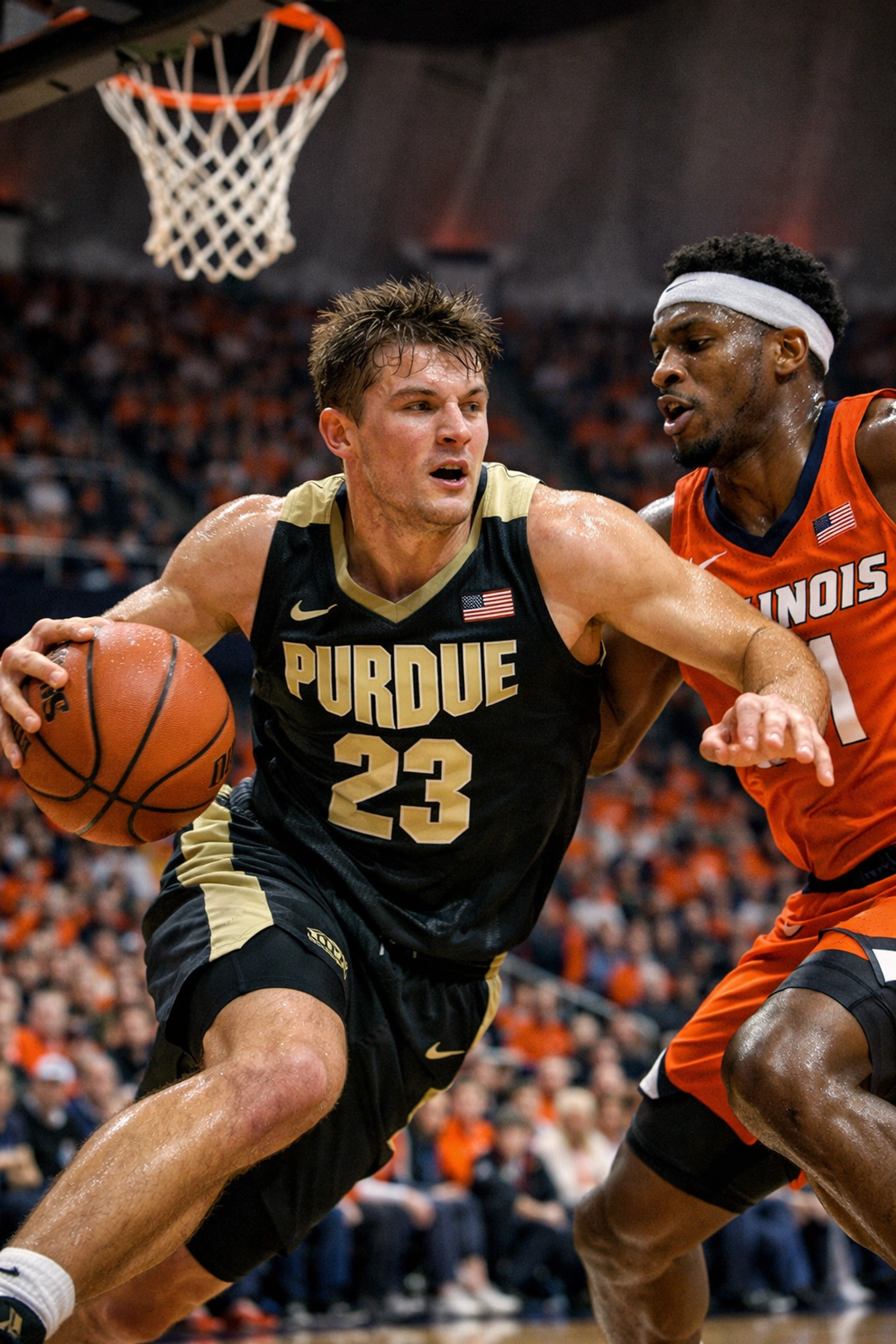
It’s impossible to talk about the Big Ten without starting in West Lafayette. Even in the post-Zach Edey era, Matt Painter has proven that his system is the star. Purdue remains the benchmark for consistency in this league. They don’t beat themselves, they execute in the half-court better than almost anyone in the country, and they’ve turned Mackey Arena into a place where opposing dreams go to die.
Purdue’s backcourt has matured into one of the most disciplined units in the nation. They aren't just relying on size anymore; they’re winning with spacing and elite decision-making. If you’re looking at tournament prospects, Purdue is a lock for a high seed, but the question remains: can they maintain that offensive efficiency when the whistle tightens up in the Big Dance?
Then you have Illinois. Brad Underwood has built a program that thrives on physicality and "positionless" basketball. The Illini are perhaps the most athletic team in the conference. They want to get out in transition, they want to mismatch you at the four-spot, and they play with a level of swagger that can be polarizing. When Illinois is hitting their threes, they are arguably the highest-ceiling team in the Midwest. However, their boom-or-bust nature makes them a tricky bet for a deep Monday-night run.
The "New Look" Big Ten: The West Coast Influence
We have to acknowledge the elephant in the room: or rather, the Trojans, Bruins, Ducks, and Huskies in the room. This is the first full cycle where we’ve seen how the former Pac-12 teams handle the "Big Ten Grind."
It’s been a culture shock. Going from a late-night tip in Los Angeles to a noon start in a freezing cold environment like Madison or East Lansing is a different kind of challenge. UCLA has adjusted the best, primarily because Mick Cronin’s defensive philosophy actually fits the Big Ten mold perfectly. They play slow, they prize toughness, and they don't mind a 62-58 slugfest.
Oregon and USC have brought a level of backcourt speed that has forced some of the traditional Big Ten coaches to adjust their defensive rotations. We’re seeing more full-court pressure and more "small-ball" lineups than we did five years ago. This diversity of styles has made the Big Ten much more entertaining to watch, but it’s also made it a nightmare to predict.
The Gatekeepers: Wisconsin and Michigan State
If you want to win the Big Ten, you have to go through the gatekeepers. Wisconsin is doing exactly what Wisconsin does: they are leading the league in "minutes played without a turnover" (probably) and making every possession feel like a 30-second root canal. Greg Gard has a squad that maximizes every ounce of talent they have. They aren't going to out-jump you, but they will out-position you every single time.
Wisconsin’s tournament prospects usually hinge on their ability to find a secondary scorer when their primary option gets doubled. They are a safe bet to make the second weekend because they simply don't beat themselves.
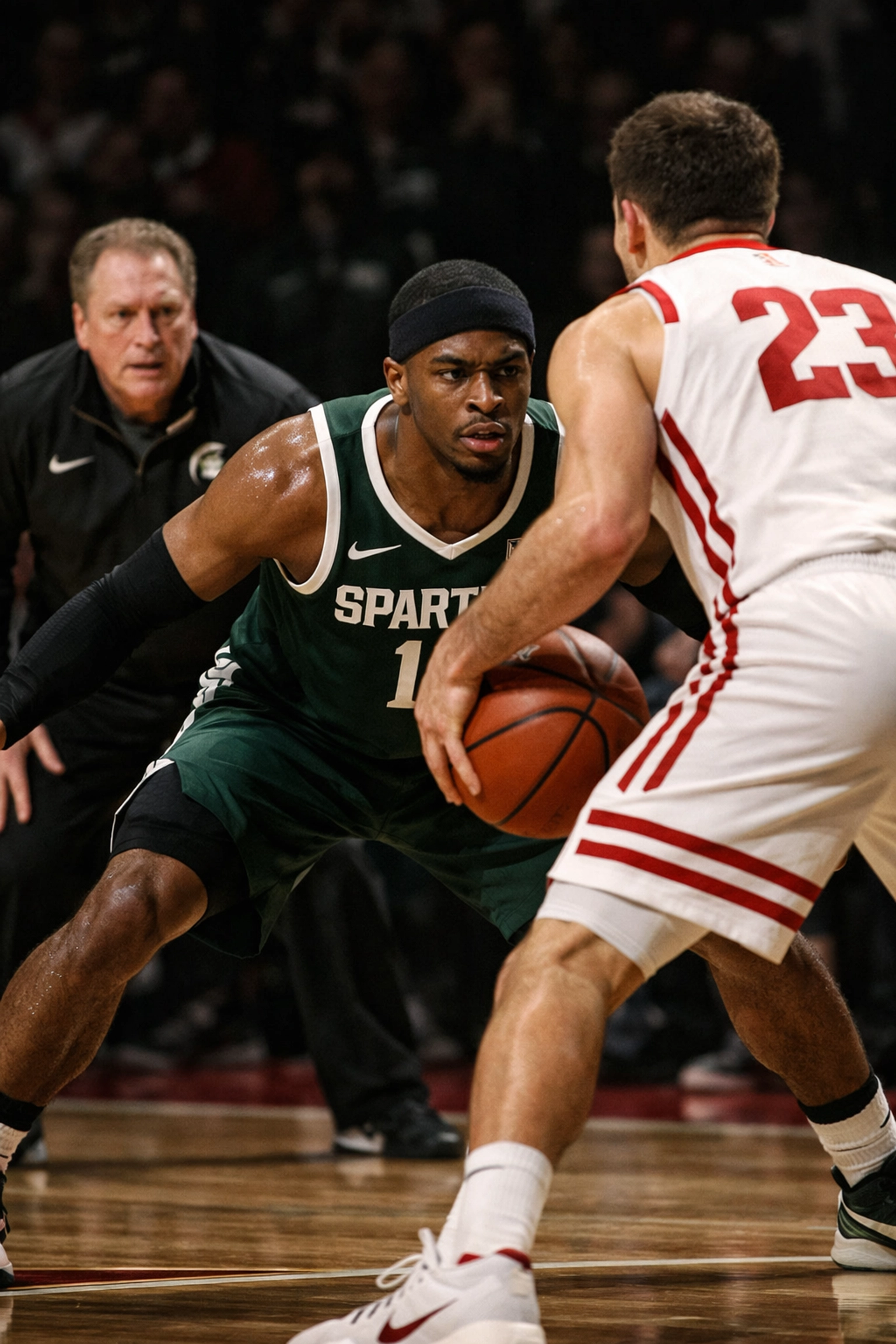
And then there’s Tom Izzo and Michigan State. It feels like every year we have the same conversation: "Is this the year the Spartans are actually down?" And every year, by late February, they start playing like a Top 15 team. Izzo’s teams are built for the postseason. They rebound at an elite level, and they have that "toughness" factor that scouts rave about. If Michigan State is a 7 or 8 seed in your bracket, whoever the 1 or 2 seed is in that region should be very, very nervous.
Key Players Driving the Narrative
To understand the Big Ten this year, you have to watch the individual matchups. Here are a few names that are currently carrying the torch for the Midwest:
The Floor General: Look at the senior leadership in the backcourts. The Big Ten is currently a "guard's league." The teams that are succeeding are the ones that can handle pressure without turning the ball over.
The Modern Big: We’re seeing a shift away from the "lumbering giant" to the "mobile rim protector." The centers in the league now have to be able to switch onto guards in pick-and-roll situations, or they simply won't stay on the floor.
The Portal X-Factors: Several of the top teams are being led by transfers who have brought a different level of experience. These "veteran" rosters are the reason why the conference has such a high floor this season.
For more deep dives into player stats and how these matchups translate to the betting line, check out our blog for daily updates.
Tournament Prospects: Can the Big Ten Break the Drought?
The narrative is well-known: the Big Ten is great in the regular season but struggles to cut down the nets on the final Monday of the tournament. As of late February 2026, the conference looks poised to get 8 or 9 teams into the field.
The depth is undeniable. The "middle" of the pack: teams like Indiana, Maryland, and Ohio State: are all capable of beating a Top 10 team on any given night. This internal competition hardens teams for March, but it also leaves them exhausted.
Our outlook? This is the best chance the conference has had in years. The diversity of playing styles introduced by the expansion teams has prepared the "old guard" for the different looks they’ll see in the NCAA Tournament. You won't just see "Big Ten basketball" in the bracket; you'll see a hybrid of elite defense, West Coast speed, and Midwestern physicality.

What to Watch This Week
As we hit Schedule A this Thursday, keep your eyes on the matchups involving the bubble teams. This is where the real drama lies. A win on the road in February is worth its weight in gold for the selection committee.
If you’re looking to get an edge on these games, you need to be looking at more than just the box scores. You need to look at travel schedules, injury reports, and how these teams perform in high-possession games. At Hood Report, we specialize in breaking down the "why" behind the wins.
Whether you’re a casual fan or someone looking to make a splash in your bracket pool, the Big Ten is the conference to watch. The battle for the Midwest is far from over, and the next three weeks will determine who heads to Indy with momentum and who is left wondering what went wrong.
If you want the inside track on all things Big Ten and beyond, join the group of informed Sports Bettors. We’re breaking down the film, the stats, and the trends so you don’t have to.
Ready to get started? Head over to our About page to see how we produce the best sports analysis in the game, or contact us today to learn more about our podcast production services. The road to the Final Four starts here.
Comments