SEC vs. Big 12: Which Conference is Actually Winning the 2026 March Madness Hype?
It is March 3, 2026. If you haven't filled out a mock bracket yet, you’re already behind. Selection Sunday is less than two weeks away, and the debate in every sports bar and betting Discord from Birmingham to Lawrence is the same: Which conference is actually the king of the court this year?
For the last few seasons, the Big 12 has held a vice grip on the "best conference" title. But as we head into the 2026 tournament, the SEC is making a massive power play. We aren't just talking about a few elite teams; we are talking about a total takeover of the bracket.
The hype is reaching a fever pitch, but hype doesn't win games in the Round of 32. To help you navigate your brackets and your bets, let’s break down the SEC vs. Big 12 showdown. Who owns the narrative, and more importantly, who owns the hardwood?
The SEC’s Strategy: Strength in Numbers
If you look at the raw data, the SEC is currently winning the volume war. Current projections suggest the SEC could land as many as 10 bids in the 2026 tournament. That isn't just a "good year": that is a historic level of dominance.
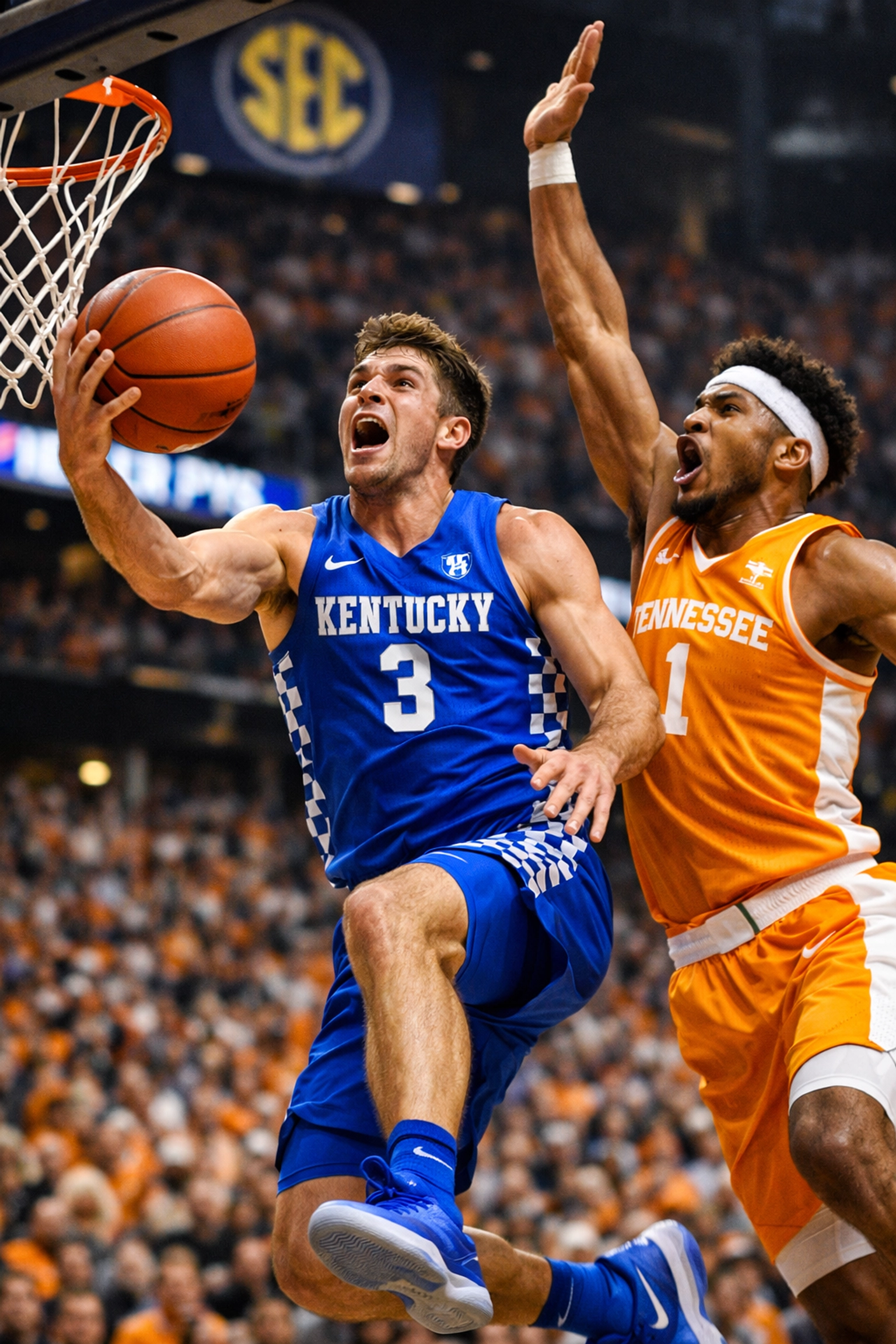
The sheer depth of the conference is staggering. You have the mainstays like Tennessee and Alabama, but it's the middle of the pack that is making the SEC terrifying. Florida, Arkansas, Kentucky, Georgia, Auburn, Texas A&M, and Missouri are all hovering in positions that make them locks or very safe "ins."
Why the SEC Hype is Real:
Athleticism: Across the board, SEC rosters are built with NBA-level length and speed. In a tournament setting where officiating can get tight, that raw athleticism often carries teams through "ugly" shooting nights.
The "Kentucky Factor": Even when they aren't a #1 seed, Kentucky creates more headlines than any other program. Their late-season surge has the national media convinced this could be a deep run.
Venue Versatility: SEC teams have played in massive environments all year. Whether they are sent to a pod in the West or stay in the South, they don't rattle easily.
However, there is a counter-argument to the SEC's quantity. While they have 10 teams likely to get in, how many are legitimate Final Four threats? The SEC has a lot of "good" teams, but the "great" teams are concentrated elsewhere.
The Big 12’s Strategy: Elite Quality at the Top
While the SEC is trying to flood the bracket, the Big 12 is focusing on the trophy. The Big 12 might not get 10 teams in, but they are currently projected to have more teams on the top two seed lines than any other conference.
The headline story of the 2026 season is Arizona. Currently ranked #2 nationally and holding a firm grip on a #1 seed, the Wildcats are on a mission to end a 25-year Final Four drought. They aren't just winning; they are dismantling opponents with a blend of veteran leadership and elite shooting.
But it doesn't stop with Arizona. Houston is a defensive nightmare that is projected as a #2 seed. Iowa State has proven they can beat anyone, anywhere, also sitting on that #2 seed line. Then you have Kansas, a program that treats the second weekend of the tournament like a mandatory appointment, currently projected as a #3 seed.
Why the Big 12 Hype is Superior:
Defensive Metrics: The Big 12 is a meat grinder. Teams like Houston and Iowa State force more turnovers per possession than almost anyone in the country. In March, defense travels.
Battle-Tested Stars: The Big 12 doesn't just have talent; it has experience. These teams have spent the last three months playing Top 25 matchups every single Saturday and Tuesday.
Top-Heavy Dominance: If you are betting on who will be standing in San Antonio for the Final Four, you’re looking at Arizona or Houston before you look at most of the SEC.
Momentum: Who is Peaking at the Right Time?
March Madness isn't about who was the best team in December. It’s about who is clicking on March 3.
Right now, the Big 12 has the momentum of elite consistency. Arizona has looked nearly untouchable in February. They’ve developed a "refuse to lose" identity that mirrors the great championship teams of the past. When the pressure is on, the Big 12 teams seem to have a higher floor.
The SEC, conversely, is a bit of a rollercoaster. Alabama can score 100 points on anyone, but they can also give up 95 to a cellar-dweller. Tennessee has the defense, but their scoring droughts are legendary. The SEC hype is built on the potential of their teams, whereas the Big 12 hype is built on the results we’ve seen all winter.

Stars to Watch: The Face of the Conferences
The 2026 tournament will be defined by individual performances—so if you’re picking a side in the SEC vs. Big 12 debate, start with the names that can swing a weekend by themselves.
SEC: The star-driven punch (players + a coaching edge)
Florida and Arkansas are two of the most talked-about SEC teams for a reason—this league has high-end talent and real sideline leadership.
Alex Condon (Florida) — player: A frontcourt force who can control games with physicality, rim protection, and second-chance points.
Todd Golden (Florida) — head coach: Florida’s pace, spacing, and shot profile reflect a clear system. Golden’s in-game adjustments are part of why the Gators feel built for March.
Boogie Fland (Arkansas) — player: A dynamic guard who can create offense when possessions break down—exactly what you need in tight tournament games.
Darius Acuff Jr. (Arkansas) — player: A scoring engine in the backcourt who can flip a game with one heater in a five-minute stretch.
Big 12: High-end talent on teams with Final Four ceilings
The Big 12 pitch is simple: top-tier players on teams that can actually win six games.
JT Toppin (Texas Tech) — player: A matchup problem with size and production who can anchor a tournament run if Tech hits its stride.
AJ Dybantsa (BYU) — player: A premier talent who gives BYU a real “best player on the floor” card in any matchup.
Jaden Bradley (Arizona) — player: A steady, physical guard who brings two-way value—control, toughness, and late-game decision-making that travels in March.
The Betting Angle: How to Play the Hype
As a sports bettor, the "SEC vs. Big 12" debate is more than just talk; it’s about value.
First Round Value: Look for the "middle" SEC teams (7-10 seeds) to be undervalued against mid-major champions. The physicality of the SEC is often a shock to the system for smaller schools.
Championship Futures: If you are looking for a winner, the Big 12 is the safer play. Arizona and Houston have the metrics that historically align with National Champions.
The Over/Under Trap: SEC games tend to be higher scoring due to the pace. Big 12 games, especially involving Houston or Iowa State, are often slogs. Don't let the "March Hype" trick you into betting the over on a Big 12 defensive battle.
If you want to stay ahead of the lines and get real-time analysis as the brackets are revealed, you need to be in the right room. Don't rely on mainstream media talking heads who only started watching basketball in February. Join the group of informed Sports Bettors and get the data-driven insights you need to win.

Final Verdict: Who Wins the Hype?
So, who is actually winning the 2026 March Madness hype?
The SEC wins on Quantity. They are the story of the tournament because they will have the most jerseys on the court. They are the "chaos" factor. If you want a bracket full of upsets and wild finishes, you are rooting for the SEC.
The Big 12 wins on Quality. They are the story of the championship. If you are betting on who cuts down the nets, the Big 12 is the smart money. Arizona is the most hyped individual team in the country for a reason: they look like a juggernaut.
While Michigan (Big Ten) and Duke (ACC) are certainly in the mix as spoilers, the real power struggle of 2026 remains the SEC's depth versus the Big 12's elite peak.
One thing is certain: between these two conferences, we are in for one of the most competitive tournaments in a decade. Keep your eyes on the standings, watch the injury reports, and get ready for the madness.
For more deep dives into team performance and tournament strategy, check out our About page to see how we analyze the game or browse our latest articles.
Comments